What to Consider Before Your Hardwood Flooring Installation
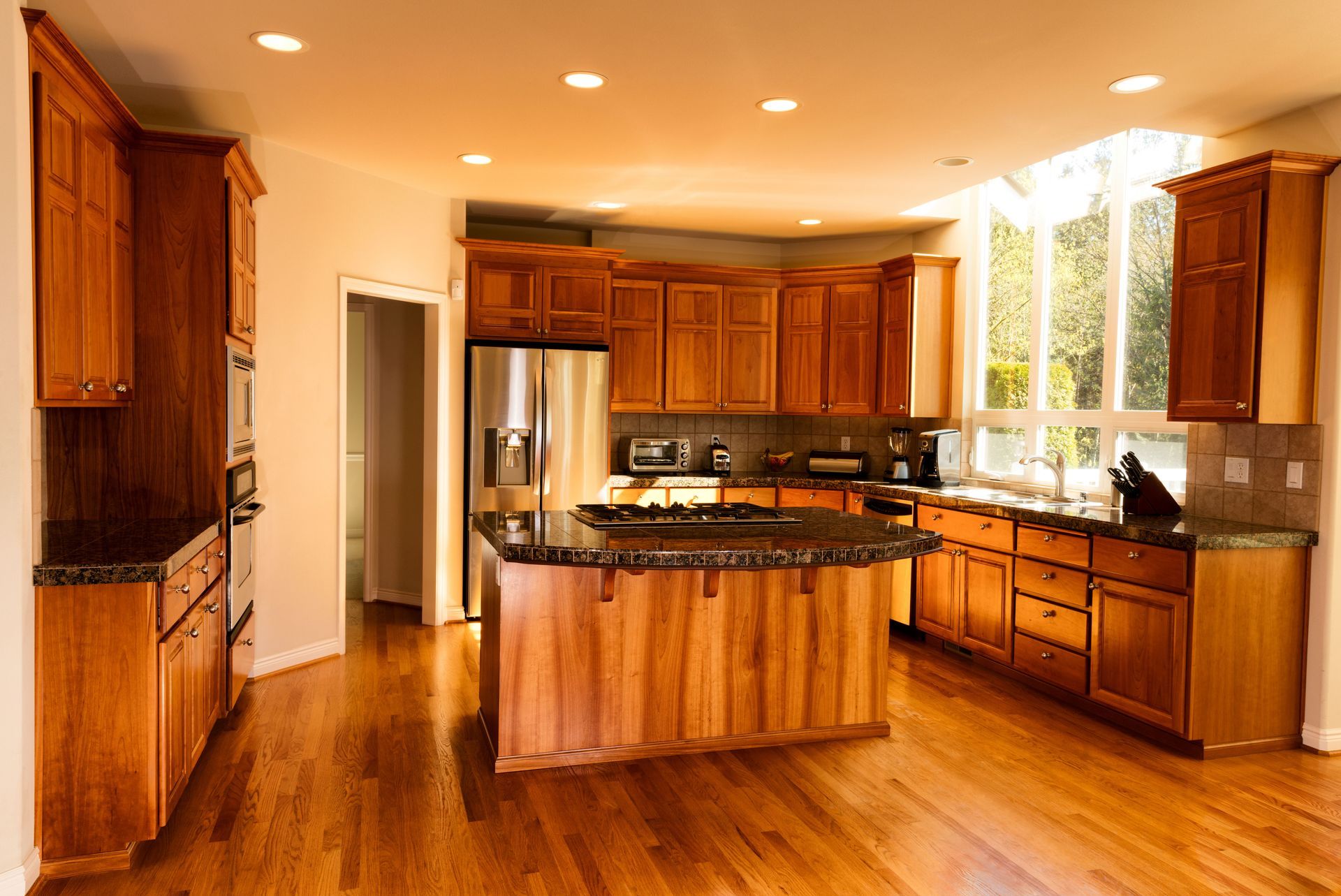
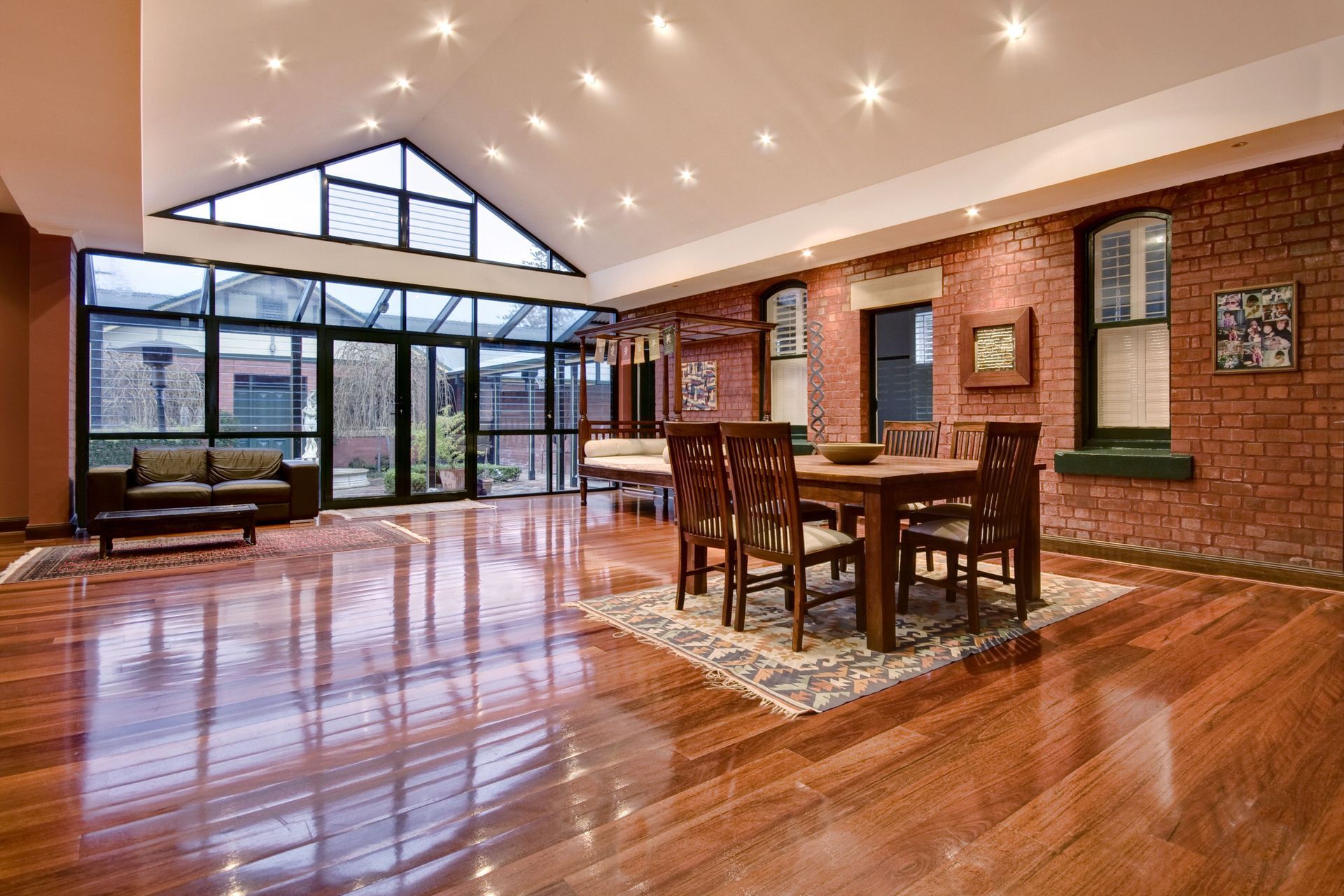
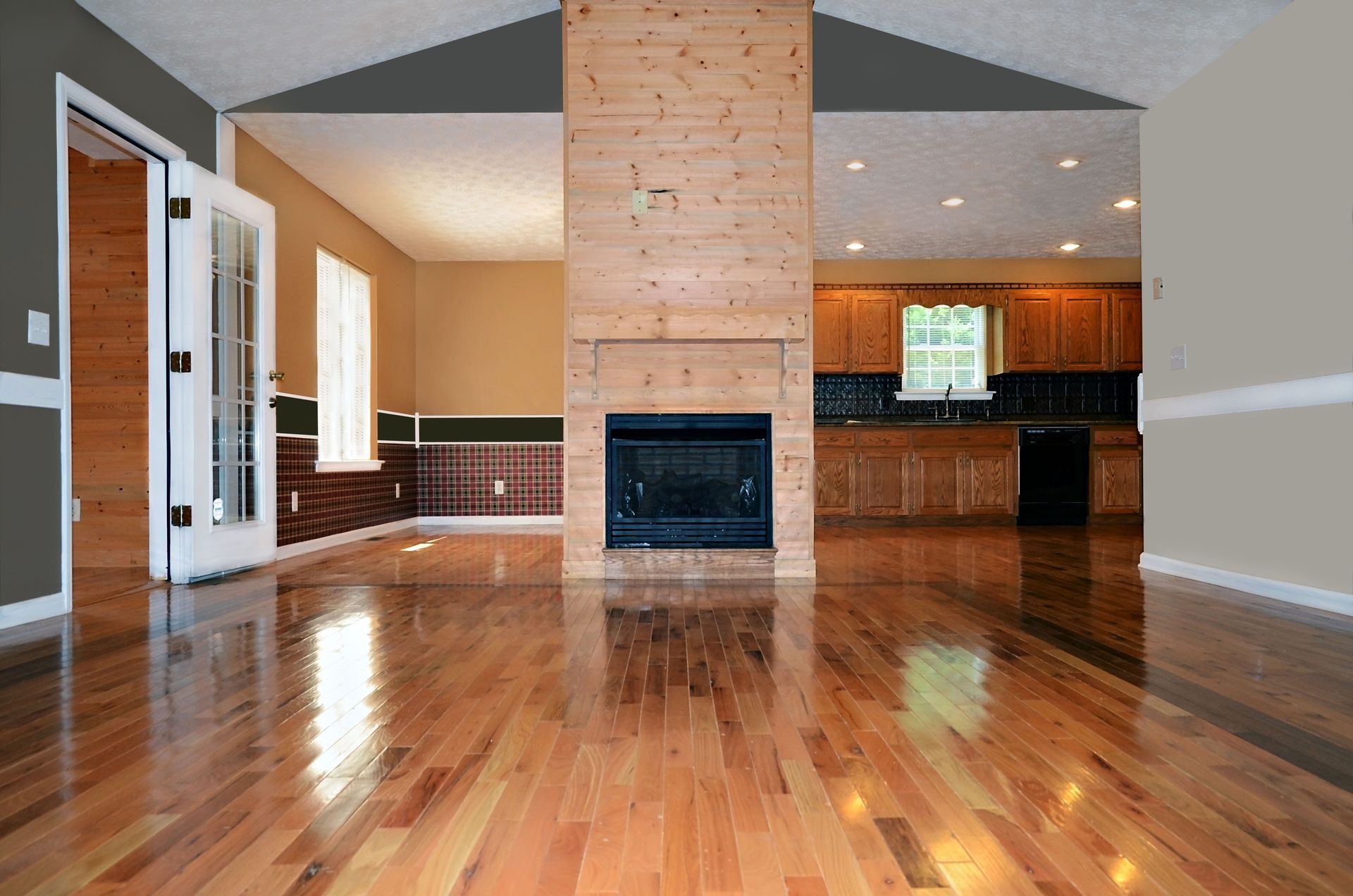
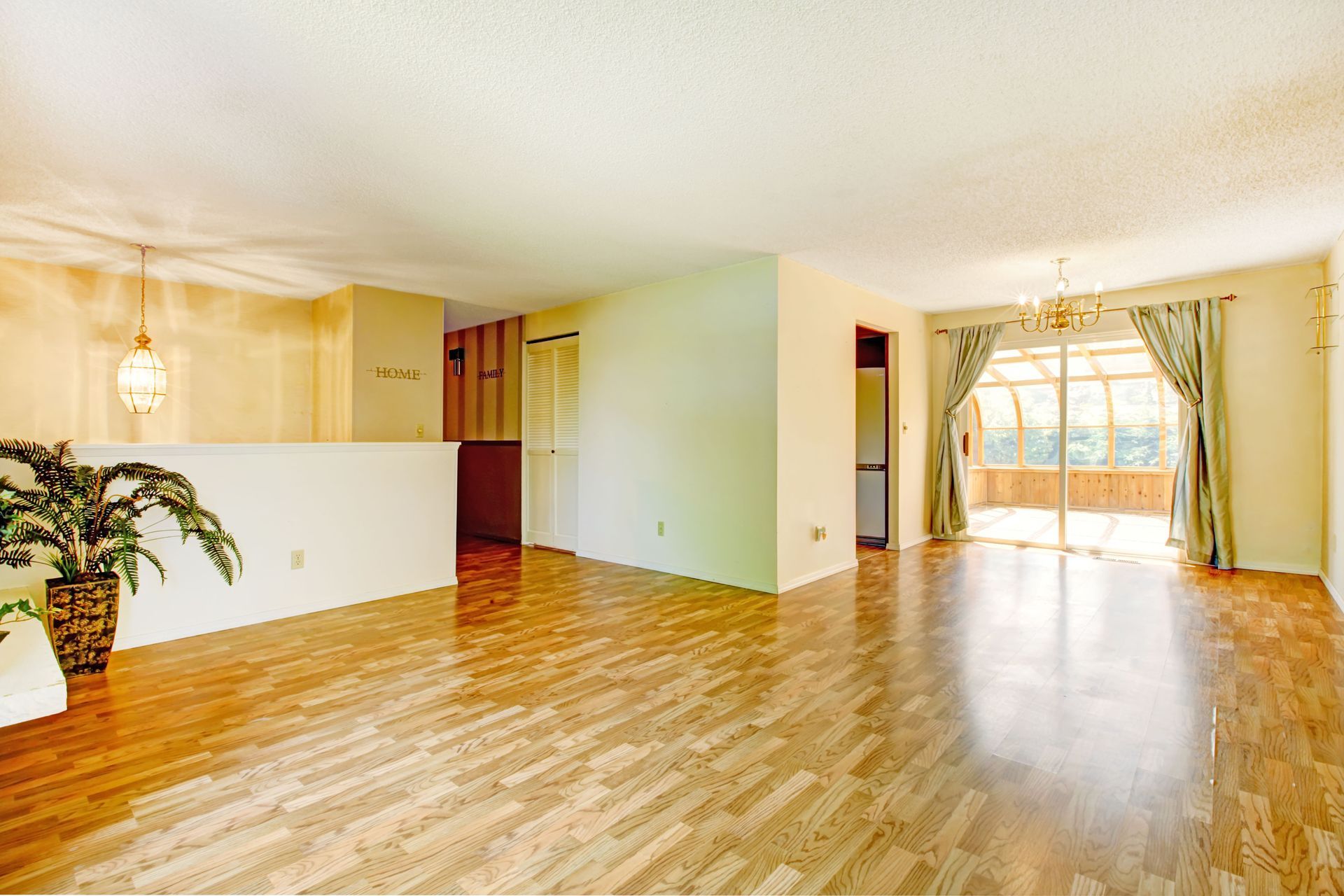
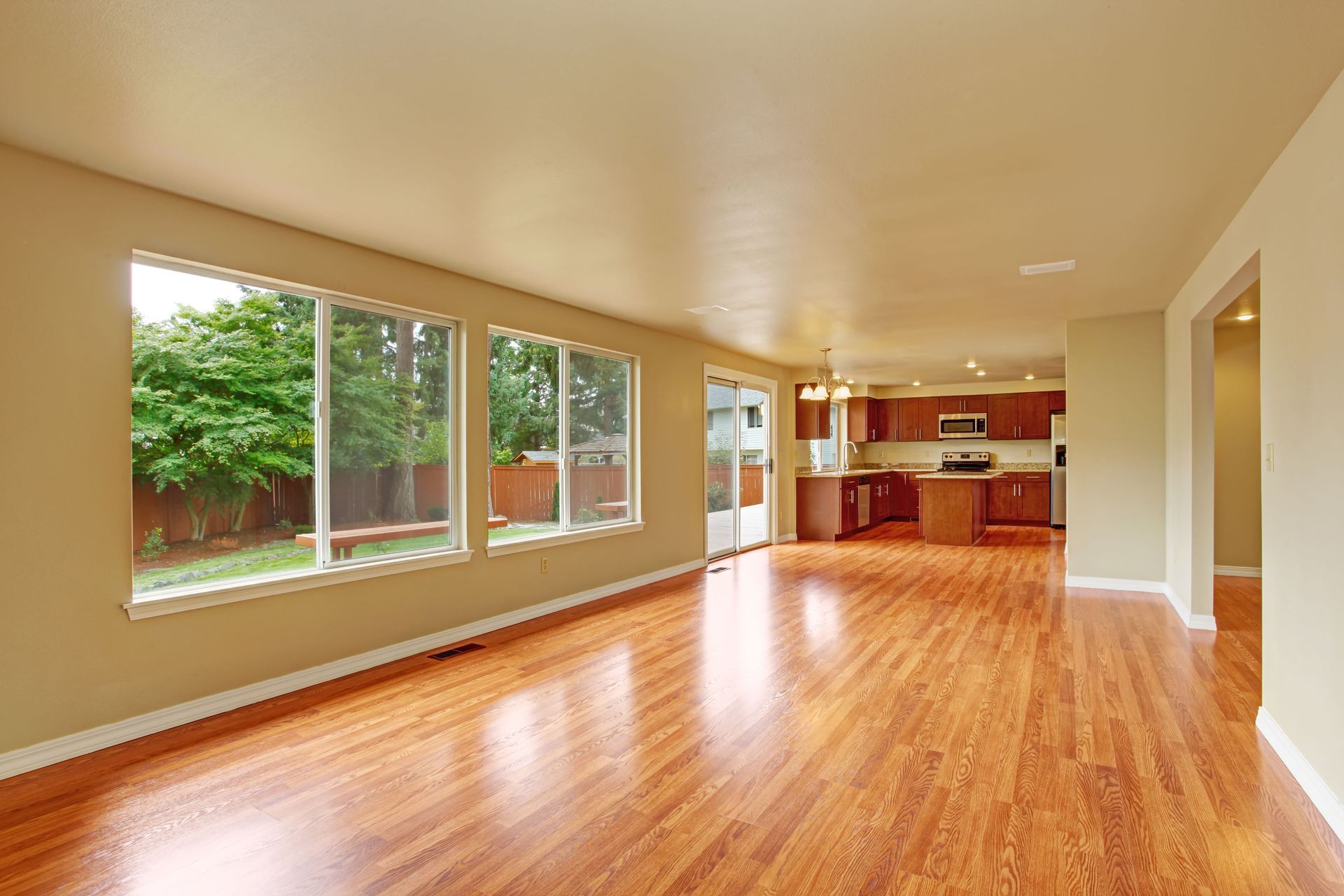
A professional flooring company can transform the look and feel of your home. This article will guide you through essential tips to achieve a successful hardwood flooring installation. By exploring different aspects, from selecting the right materials to maintaining the longevity of your floors, you can rest assured that hardwood floors were the right choice. Hardwood flooring is not just about aesthetics; it's a long-term investment in your property's value and comfort.
Consider Wood Species
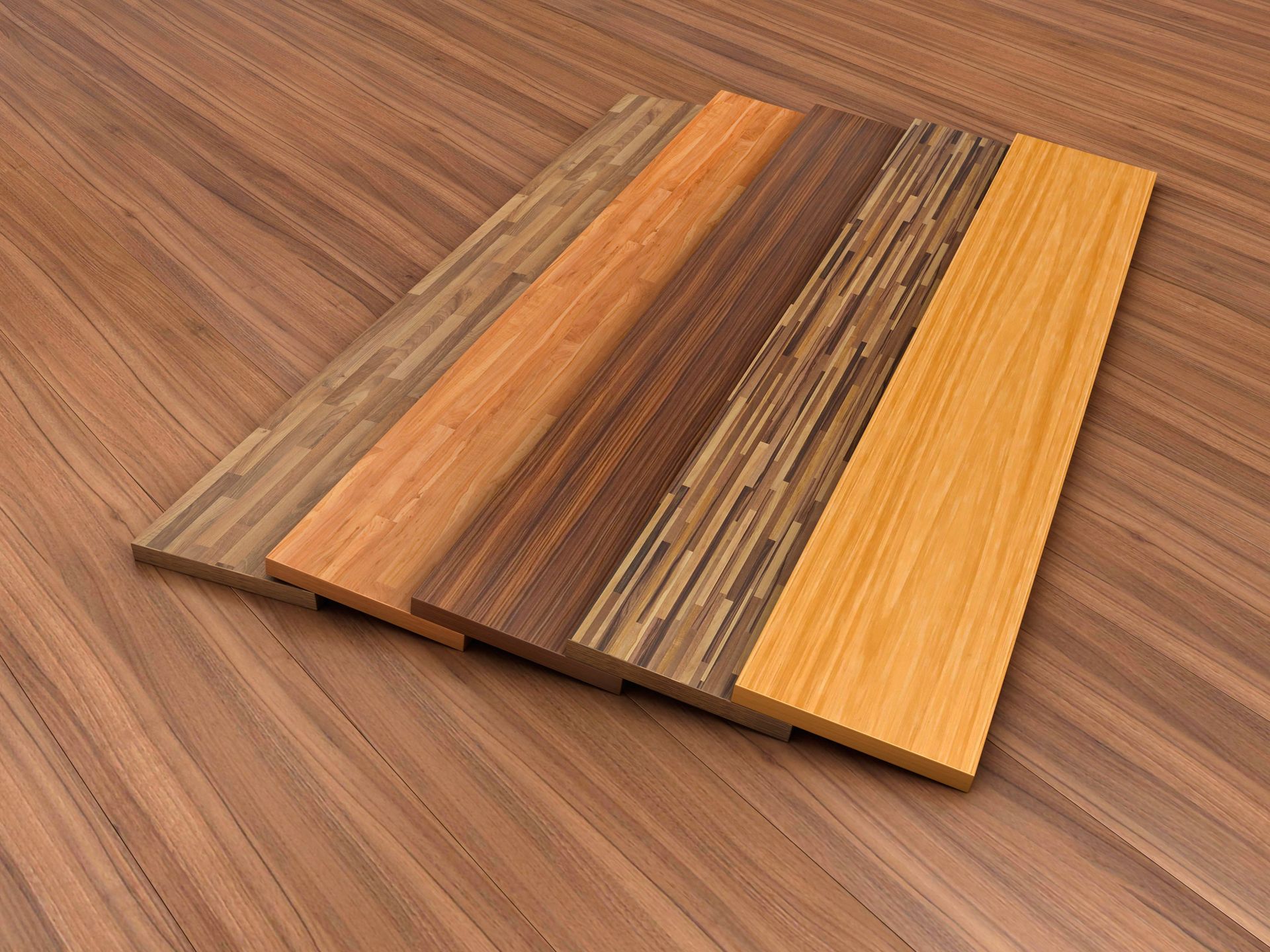
One of the first steps in hardwood flooring installation is selecting the appropriate wood species for your space. The species you choose will affect both the appearance and function of your flooring. Commonly used species include oak, maple, and cherry, each offering unique characteristics. Oak is particularly popular due to its availability and strong wear resistance. Carefully considering these factors will help you make an informed decision that complements your home's decor and lifestyle.
Another consideration is the environment where the flooring will be installed. Different wood species have varying levels of resistance to humidity and temperature changes. For instance, if you live in a humid area, selecting a wood with a high degree of dimensional stability, like teak or cedar, is advisable. These woods can resist warping and cupping better than others. Evaluating local climate conditions in conjunction with wood properties ensures a longer life for your flooring.
Evaluate Flooring Grades
The grade of hardwood flooring refers to the visual and quality characteristics of the wood. Different grades, such as clear, select, and rustic, offer a range of aesthetic options and price points. Clear grade is the highest with minimal blemishes, while rustic has more knots and color variances. Select grade provides a middle ground, offering beauty with some natural imperfections. Understanding your desired aesthetic and budget will guide you in choosing the correct grade.
Beyond aesthetics, different grades can impact the durability of your hardwood flooring. Higher-grade wood typically has fewer knots and blemishes, which could translate to fewer weaknesses in the wood. This doesn't mean that lower-grade wood isn't durable; it merely carries a different appeal. The key to ensuring a long-lasting floor is pairing the appropriate grade with a suitable wood species for your lifestyle. Grades are more about visual preference, but choosing an appropriate finish can enhance wood's longevity considerably.
Installation location within the home can also influence grade selection. High-traffic areas might benefit from higher-grade wood for durability and resilience. However, rooms where the rustic charm is desired can be a perfect fit for lower grades, which often enhance the character and appeal of the space. The versatility in hardwood flooring grades makes it a suitable option for almost any location in your home, offering both beauty and practicality. Evaluating your daily lifestyle needs is a crucial part of selecting the perfect grade.
Understand Hardness and Durability
When selecting hardwood flooring, understanding the hardness and durability of the wood is essential. The Janka Hardness Test measures the resistance of wood to wear, denting, and scratching. Woods like hickory and bamboo top the scale, making them ideal for high-traffic areas or homes with pets and children. Meanwhile, softer woods like pine might suit less-trafficked spaces where their susceptibility to marks can be part of the charm. The hardness is directly related to how well a floor can withstand the demands of daily use.
Durability isn't just about hardness; it's also about how well the wood retains its look over time. Hardness ratings provide a good baseline, but other factors, such as finish type and maintenance, play significant roles in durability. Proper sealing and regular maintenance can protect even average-hardness woods from premature wear. The longevity of wood flooring is significantly affected by maintenance practices. According to Hardwood Floors Magazine, when properly cared for, wood flooring can last well beyond 100 years.
When budgeting for your project, it's important to account for both the initial cost of hardwood and the long-term maintenance it requires. Harder woods may require less frequent refinishing, but could increase upfront costs. On the other hand, softer woods may require more attention in the long term. Weighing these variables carefully will ensure you choose a hardwood that provides the optimal balance of durability, aesthetic appeal, and cost-effectiveness.
Choose the Right Finish
The finish you select for your hardwood flooring can dramatically alter its appearance and durability. There are various finishes to consider, including matte, satin, semi-gloss, and high-gloss. Each offers a different level of shine and highlights the wood's natural features in unique ways. High-gloss finishes add brilliant shine but may show scratches and dust more readily. On the other hand, a matte finish may hide imperfections, making it a practical choice for busy households.
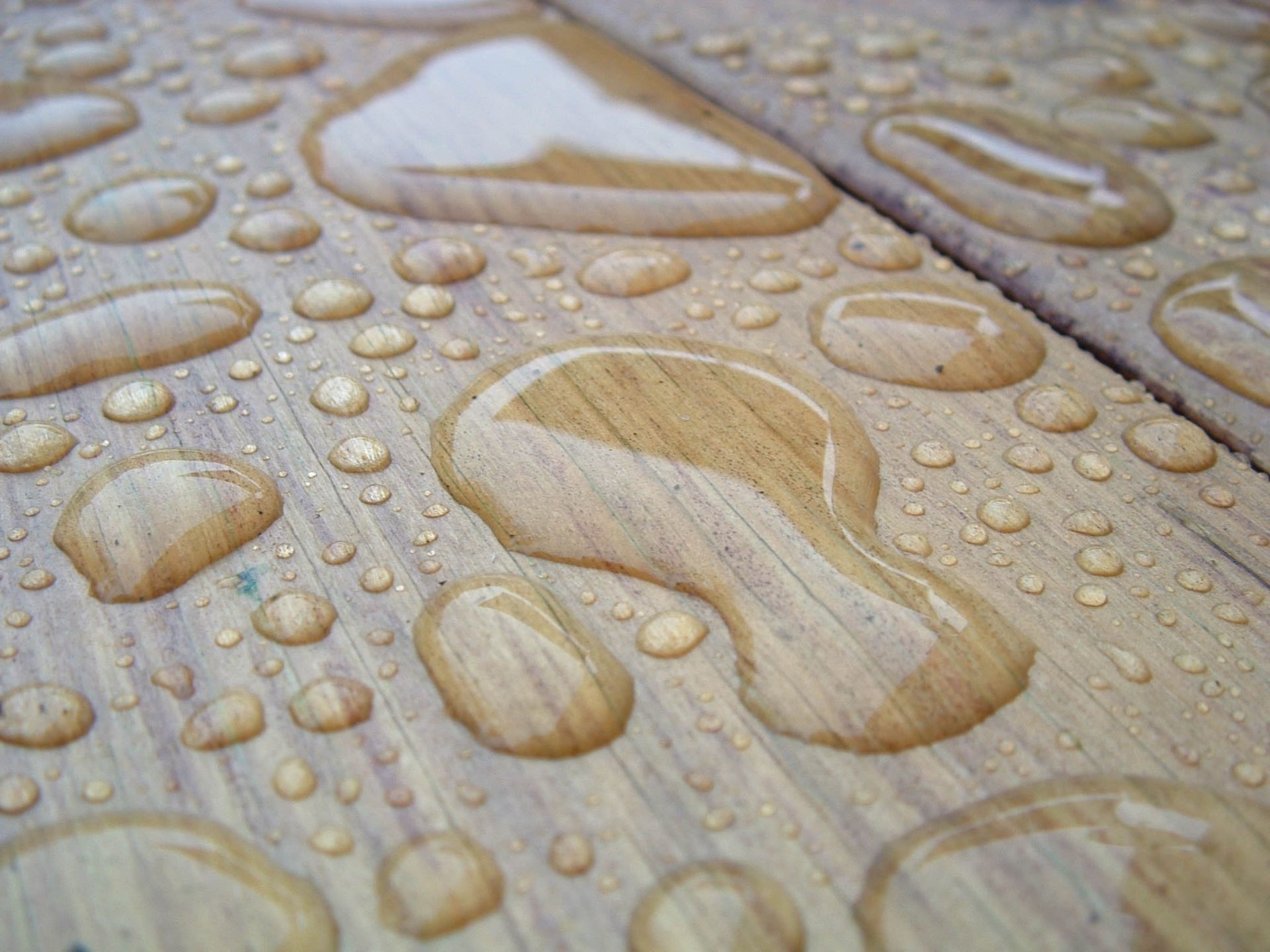
Finishes also contribute to durability by providing a protective layer against physical wear, spills, and UV damage. Oil-based finishes offer durability and are great for high-traffic areas but come with a longer drying and curing time. Water-based finishes dry quickly and emit fewer odors, which makes them ideal for quicker installations. Factors like how frequently a room is used and the level of sunlight exposure can help determine the best finish. By evaluating these elements, you can select a finish that not only enhances the wood's beauty but also its lifespan.
Environmental considerations should also influence your selection of finish types. Some finishes contain high levels of volatile organic compounds (VOCs), which could impact air quality. Opting for a lower VOC finish can improve indoor air quality and contribute to a healthier living space. Maintaining your wood finish regularly also limits the buildup of dust and allergens. The right finish not only preserves your floor's beauty but also contributes to a healthier home environment.
Select Appropriate Board Widths
The width of the boards can drastically alter the perception and utility of your hardwood floors. Narrow boards can make a space look larger by creating more linear lines, which can be especially beneficial in small or narrow rooms. On the other hand, wider boards often add a rustic charm and emphasize the natural beauty of the wood. They tend to have fewer seams, which can make cleaning easier. Analyzing your space to understand which visual effect is most complementary is key when choosing board widths.
Board width also impacts installation time and cost. Wider boards cover more area and can reduce installation time, but they may come at a higher price per square foot. Narrow boards, although cheaper, require more individual pieces to be installed. Wide boards are also more susceptible to cupping if moisture conditions aren't meticulously maintained. The choice between wide and narrow boards often boils down to aesthetic preference and practical considerations.
Consider also how the board width will interact with other design elements in your home. Consistency in design elements such as cabinet lines or window frames might suggest a certain board width for a harmonious look. Conversely, contrasting board width with other design elements can create a dynamic visual appeal. Homeowners often use board width strategically to either blend or highlight different rooms and architectural features. Understanding how board width will interact with these elements can assist in making the right choice for your flooring project.
While understanding the details of hardwood flooring—from wood species and grade to finish and board width—can help you make informed decisions, achieving a flawless installation requires experience and precision. Hiring a professional ensures your floors are installed correctly, protected from common mistakes like warping or uneven seams, and finished to last for decades. Contact us today at Hardwood Headquarters for your hardwood flooring installation.